James Shepherd
James grew up with his brothers in Nicasio, California, among the redwoods. Baseball was woven into their childhood. The brothers grew up playing together and following the San Francisco Giants, with players like Willie Mays and Willie McCovey becoming family legends. They passed that love of the game down to their children, and baseball—and especially family games of Wiffle ball—remained a part of Shepherd family gatherings for decades.
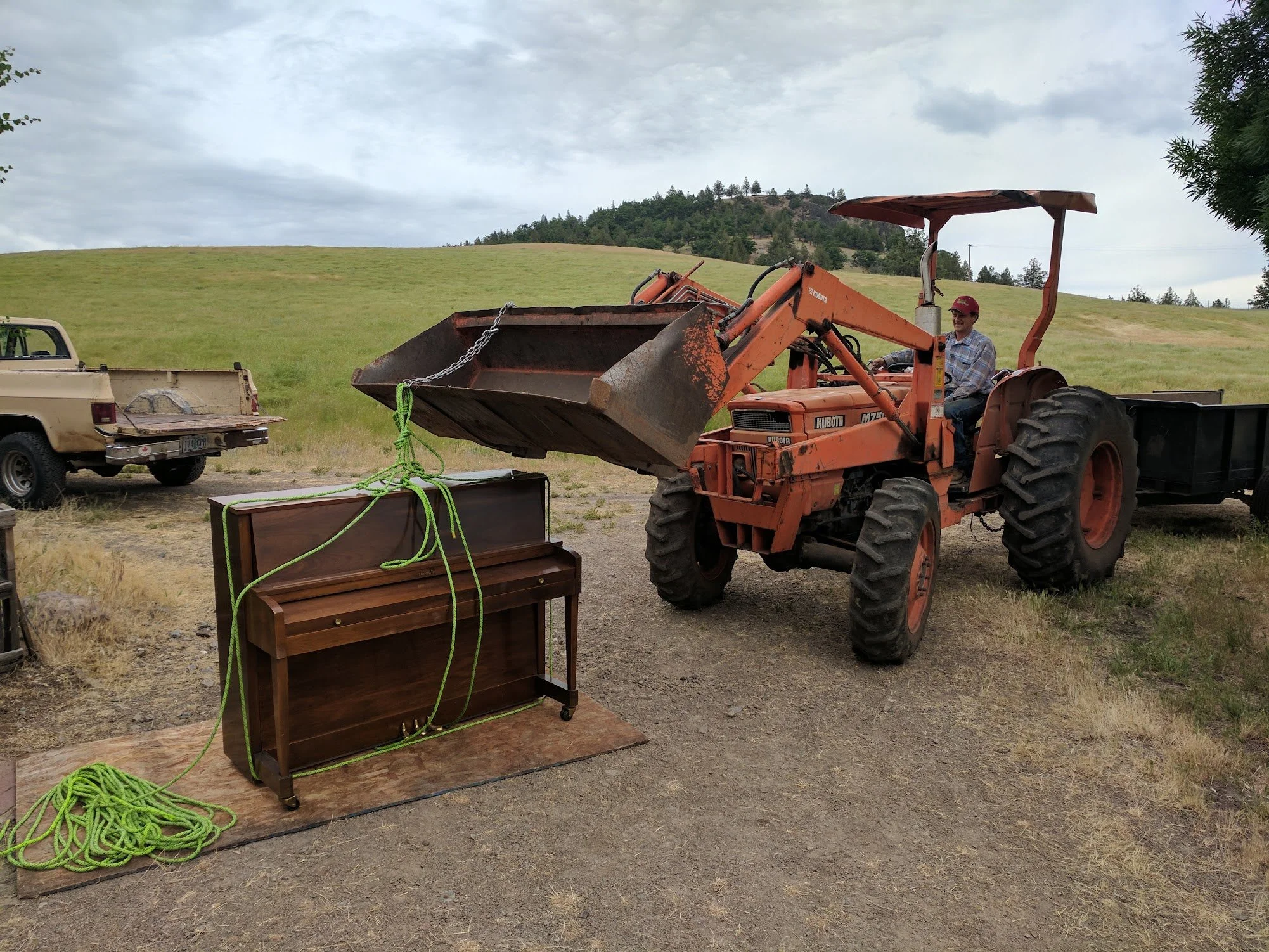
James attended College of the Siskiyous and later Cal Poly, spending two years at each and earning his bachelor's degree in agriculture. In many ways, he remained a farmer at heart throughout his life. Nowhere was that more evident than at the Quadros Ranch, a place he loved deeply.
His idea of a vacation was often simply to go to the ranch and work. He loved irrigating, watching water move across the land, and seeing dry ground become green again. The ranch was never really a business to him. He cared about preserving the land and keeping it healthy as a home for deer, frogs, and the many other animals that shared it. Even during years when his work took him around the country and the world, he made a point of returning regularly to care for the property and keep the water running.
That capacity for work was one of James's defining qualities. He could put in a long day of physical labor under the sun and somehow still seem ready for more when everyone around him was exhausted. But he never expected others to prove themselves by keeping up. He led by example rather than judgment. He was demanding mostly of himself, and although he could be strict, he was never much of a disciplinarian. Often, the strongest rebuke his children received was simply hearing that Dad was disappointed—which was usually more than enough.
And James always knew when it was time to stop working. There was a river to float, a board game or wiffle ball game to play, a book to read, or someone to spend time with.
Some of the simplest routines became the most enduring expressions of his love. James was a morning person, almost always awake at the crack of dawn. He might begin the day working on the irrigation or in prayer for one of his clients, but by the time his children woke up, he would often be back in the kitchen making breakfast. Æbleskivers, waffles, eggs, bacon, orange juice, and lemonade were staples. For his children, breakfast wasn't simply a meal their dad liked—it was time with him, repeated morning after morning throughout their childhood.
In some ways, James never really stopped being a farmer. His life's work simply grew in a different direction. Christian Science speaks often of seeds and thought, of tending what we allow to take root and nurturing a clearer understanding of who we truly are. James seemed naturally drawn to that idea. He had spent years learning that growth required patience, attention, hard work, and faith in something that might not yet be visible.
Those same qualities became central to his work as a Christian Science practitioner. Helping others through prayer was his passion. He believed deeply in seeing the good in people and helping them recognize the best and truest version of themselves—the perfect image of who God created them to be. Just as he loved bringing water to dry ground and watching it become green, he devoted himself to nurturing growth in the people around him.
He later served as a Christian Science lecturer, traveling extensively and sharing a faith that was central to the way he understood and lived his life. He was an avid reader of the Bible and Science and Health with Key to the Scriptures, but his faith wasn't something he expressed only through reading or talking about it. It was something he practiced—in his work, and in the way he cared for people.
Another place especially close to James's heart was Camp Bow-Isle on Bowen Island, British Columbia. He returned to the camp year after year and embraced summer camp life wholeheartedly. He loved playing games in the woods with campers, taking them backpacking, enjoying water sports around the island, and sharing with them the Christianity that was so important to him. He encouraged his own children to experience Bow-Isle as well, making the camp a defining part of their childhood and passing along his love for its community, traditions, and sense of adventure.
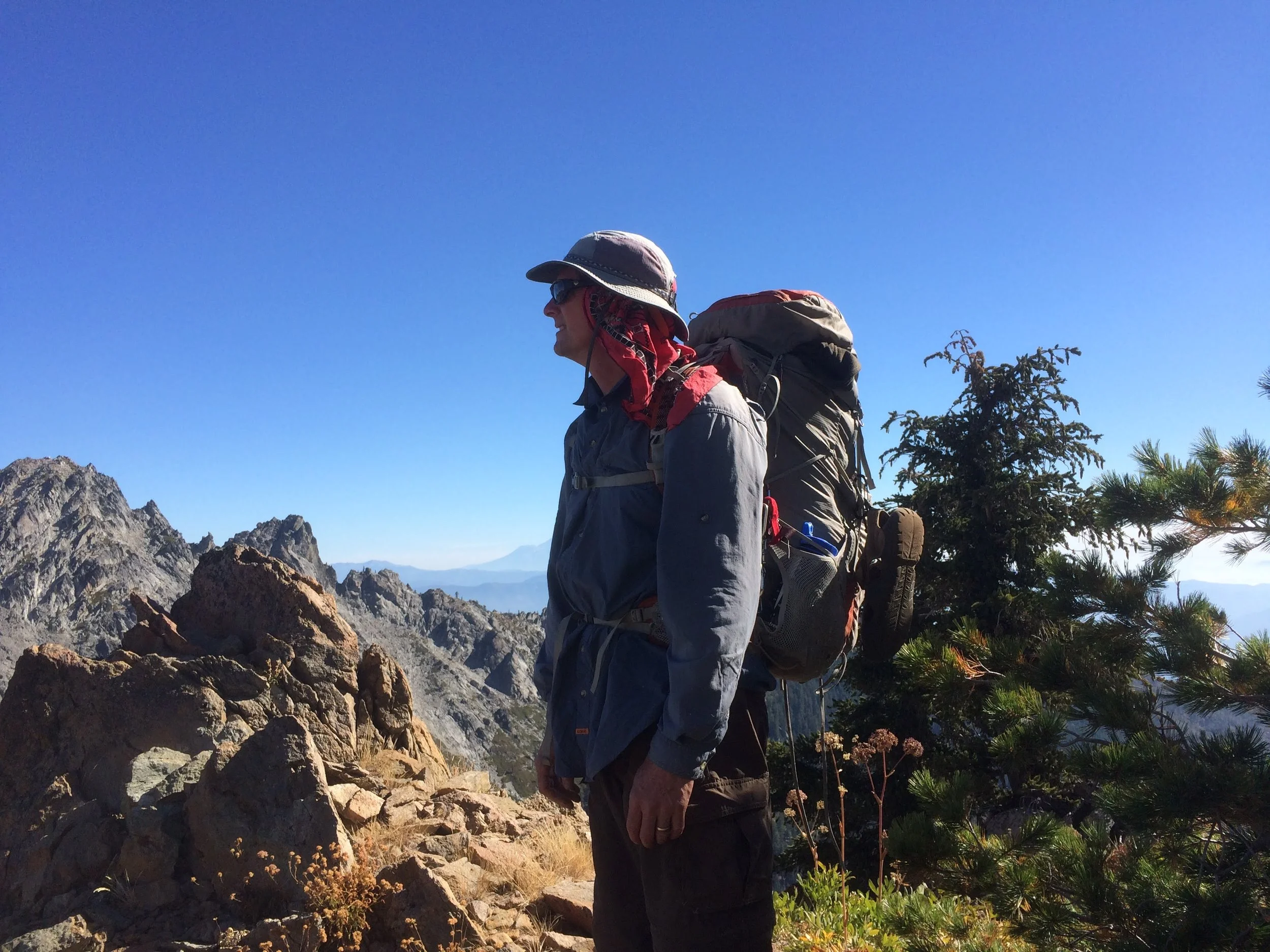
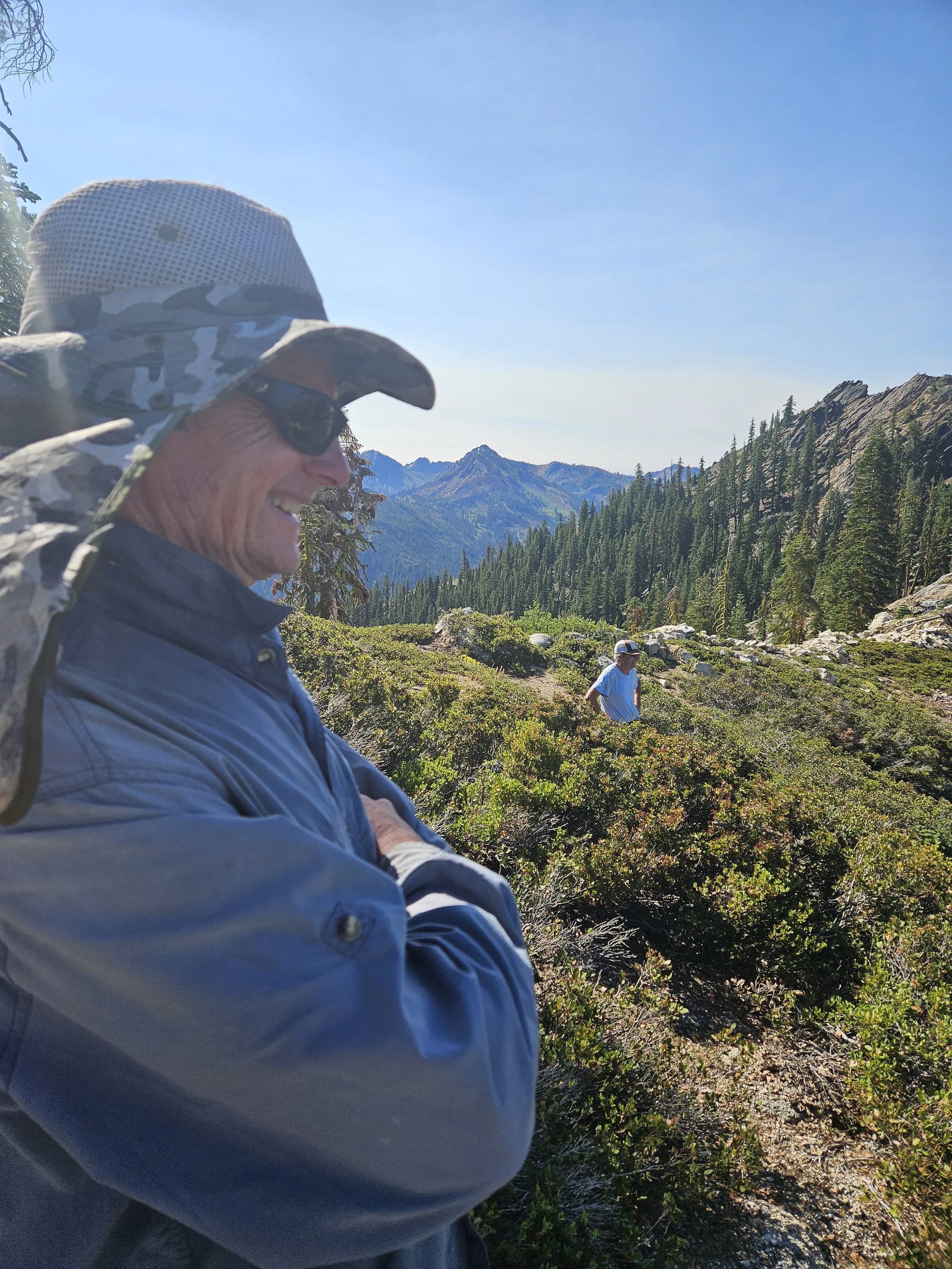
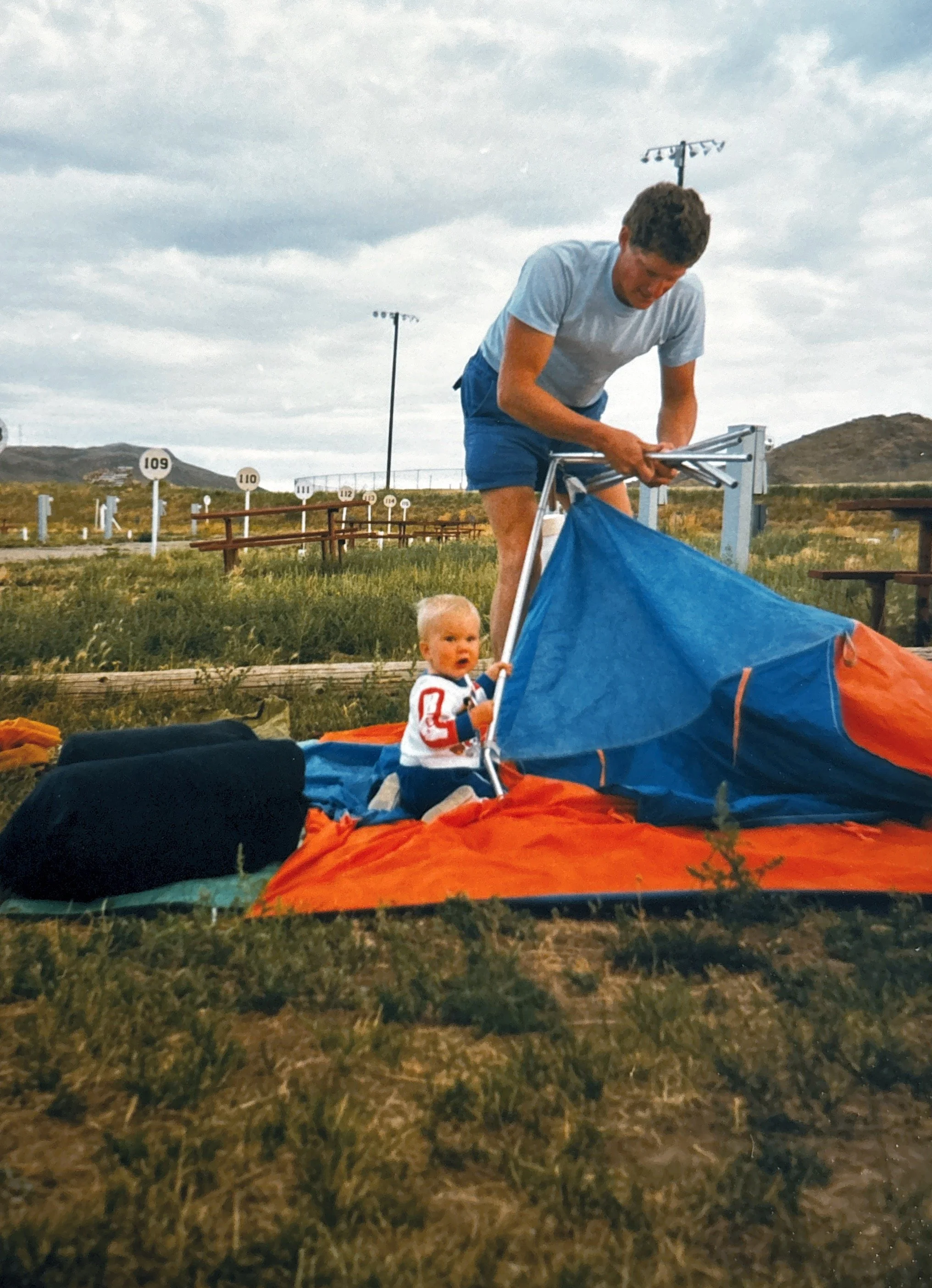
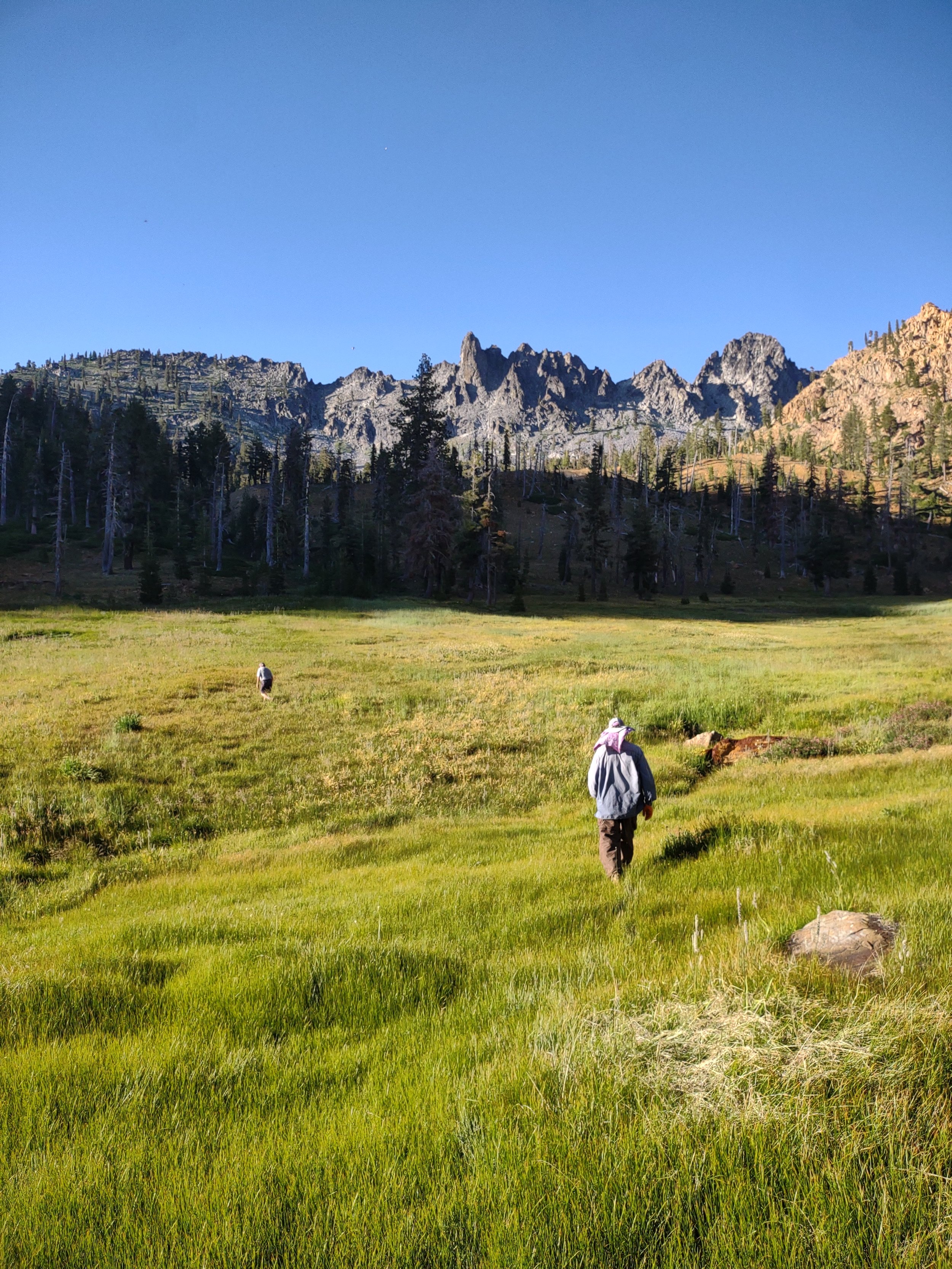
James also had an enduring love of backpacking. For as long as his children can remember, James and his four brothers made an annual backpacking trip together. As their children grew old enough, they came too. James began taking his son when he was only six years old, beginning a tradition that continued through high school, college, and into adulthood. Early trips took the family into the Siskiyou Mountains, and eventually the Trinity Alps became their annual destination.
Those trips inevitably included a few off-trail adventures. The Shepherds had something of a tradition of occasionally losing the trail—though, as they would be quick to point out, they were never actually lost. They knew where they were; it was the trail that had gone missing. Finding the route again, bushwhacking across a mountainside, or simply deciding that the way ahead looked good enough became part of the adventure. Those trips—brothers, cousins, children, mountain lakes, questionable route-finding, and years of shared stories—became one of the great traditions of the Shepherd family.
James was married to the mother of his four children for 30 years, and together they raised a son and three daughters. Later in life, he met Tara, who became his loving partner and shared his devotion to Christian Science, the outdoors, and adventure. Those who saw them together could immediately recognize the affection between them. They were quick to laugh together, and it was obvious how deeply James loved and cared for her. Tara enthusiastically joined him in the parts of life that brought him so much joy—from time at the ranch to backpacking adventures—and they shared a faith that remained at the center of their life together.
Above all, James loved people. He held his beliefs deeply, but never used them as a reason to judge others. He worked harder than almost anyone around him, but never made someone feel lesser for not keeping up. He taught through example more often than instruction and showed his love through the countless things he did for the people around him.
His children will remember a father who was up before they were, who had already accomplished half a day's work before making them breakfast; who could work until everyone else was exhausted and then happily stop to float the river or play Wiffle ball; who took them into the mountains, taught them to care for the land, and showed them that strong convictions and an open heart could exist side by side.
James leaves behind a lifetime of traditions that will continue: breakfasts around the table, Giants games, Wiffle ball with the family, backpacking trips into the mountains, summers at Bow-Isle, and days spent making water run across the land at the Quadros Ranch. The things James planted and tended throughout his life—in the land, in his family, and in the lives of the people he helped—will continue to grow.
While we will miss his physical presence deeply, James's faith taught him—and taught us—to see life as something greater than the time we spend together here. We know that he will be with us always in Spirit. We will feel him in the mountains, in the laughter of his family, in the people whose lives he touched, and in the quiet mornings at the ranch. And we will imagine him watching over the land and the people he loved, just as he always did.